Blog

  • Why Coinbase Just Proved Everyone Wrong (And What That Means for You)

    Why Coinbase Just Proved Everyone Wrong (And What That Means for You)

    Coinbase Global Inc.

    COIN

    Look, you probably have an opinion about Coinbase already. Maybe you think it’s just another tech company riding the crypto hype train, or perhaps you’ve dismissed it as a platform for people who think they’re going to get rich quick buying Dogecoin. But here’s the thing: while you weren’t paying attention, Coinbase just posted numbers that should make you reconsider everything you thought you knew about the crypto business.

    The Numbers That Actually Matter

    Coinbase just reported revenue of $2.3 billion for Q4 2024, which represents more than 130% growth from the previous year. But here’s what’s really interesting: they posted net income of $1.3 billion, or $4.68 per share. That’s not venture capital magic or creative accounting, that’s actual profit from actual customers doing actual business.

    If you’re wondering what this means for you, it’s simple: Coinbase has figured out how to make money when crypto goes up AND when it goes down. That’s not easy in an industry where most companies live or die by Bitcoin’s mood swings.

    What Coinbase Actually Does (Beyond What You Think)

    You probably think Coinbase is just a place where people buy Bitcoin, right? Well, that’s like saying Amazon just sells books. Sure, trading is still their biggest revenue driver, but they’ve quietly built something much more interesting.

    They’re becoming the infrastructure company for the entire crypto economy. Think of them as the picks-and-shovels company of the digital gold rush, except they’re also running the bank, the exchange, and half the mining equipment too.

    Their institutional business brought in $141 million in transaction revenue, up 156%. That’s not retail investors buying $100 worth of Ethereum, that’s serious companies and financial institutions using Coinbase to manage billions of dollars worth of digital assets.

    The Value Proposition You Haven’t Considered

    Here’s where Coinbase gets really interesting for you, even if you’ve never bought crypto and never plan to. They’ve positioned themselves as the bridge between the traditional financial world you know and the digital financial world that’s coming.

    Stablecoin transfer volume reached $27.6 trillion in 2024, surpassing the combined volume of Visa and Mastercard by over 7.68%. Read that again. Digital currencies are already processing more transactions than the credit card giants you use every day.

    Coinbase isn’t just facilitating this, they’re building the infrastructure that makes it possible. When your bank eventually offers you the option to send money internationally for pennies instead of $30, there’s a good chance Coinbase’s technology will be powering it behind the scenes.

    Why This Should Change Your Perspective

    You’ve probably been thinking about crypto as either a speculative investment or a solution looking for a problem. But Coinbase’s success shows you what happens when digital assets become utility instead of just speculation.

    Their platform isn’t just about buying and selling anymore. It’s about businesses managing their treasury in digital assets, institutions offering crypto services to their clients, and developers building applications on blockchain networks. It’s infrastructure, not just investment.

    The tokenization market grew over 60% in 2024, reaching $13.5 billion, with projections estimating it could expand to between $2 trillion and $30 trillion in the next five years. That’s not crypto enthusiasts getting excited about the next big thing, that’s traditional assets being converted into digital form because it’s more efficient.

    What This Means for Your Future

    Even if you never touch cryptocurrency directly, Coinbase’s growth tells you something important about where finance is heading. The same way you probably never think about the technology behind your credit card transactions, you’re going to interact with blockchain technology without necessarily knowing it.

    Coinbase is betting that the future of money involves programmable, instant, global transactions. Instead of waiting days for international transfers or paying high fees for currency exchanges, financial transactions will happen as easily as sending an email.

    For you, this means your financial life is about to get a lot more efficient, whether you’re ready for it or not.

    The Business Model That Actually Works

    What makes Coinbase interesting from a business perspective is how they’ve diversified beyond just trading fees. Yes, they still make money when people buy and sell crypto, but they’re also earning revenue from staking services, custody solutions, and their Base blockchain network.

    Their subscription and services revenue is expected to grow 46.7% year-over-year, showing they’re successfully reducing their reliance on volatile trading volumes. This matters because it means they can remain profitable even when crypto markets aren’t booming.

    Think of it like this: they started as a crypto casino and evolved into a financial services company that happens to specialize in digital assets. That’s a much more sustainable business model, and it explains why their stock has been performing so well.

    Why You Should Pay Attention (Even If You’re Skeptical)

    Look, you don’t have to believe in Bitcoin’s potential to replace the dollar or think that NFTs are the future of art ownership. But you should understand that Coinbase has built a profitable business solving real problems in an emerging market.

    They’ve made it easier for institutions to safely hold digital assets, simpler for businesses to make international payments, and more accessible for developers to build new financial applications. Those are practical solutions to real problems, regardless of what you think about crypto speculation.

    The lesson for you, whether you’re investing, building a business, or just trying to understand how the world is changing, is this: successful companies don’t win by convincing everyone their vision is right. They win by making their technology useful enough that people adopt it for practical reasons.

    The Future You’re Already Living In

    Coinbase is on a mission to increase economic freedom for more than 1 billion people by updating what they call the “century-old financial system.” That sounds like typical Silicon Valley hyperbole until you realize they’re actually doing it.

    When you can send money to someone across the world instantly for nearly free, when you can earn interest on your savings without dealing with traditional banks, when you can access financial services without needing a credit score or bank account, that’s not disruption for the sake of disruption. That’s genuine improvement.

    Coinbase isn’t just betting that crypto will become mainstream, they’re building the infrastructure to make it inevitable. And based on their recent results, that bet is paying off faster than most people expected.

    So even if you’re not ready to buy Bitcoin, you should probably pay attention to the company that’s making digital money work for everyone else. Because whether you like it or not, the financial system you use every day is being rebuilt, and Coinbase is laying a lot of the foundation.


  • Why You Should Care About Yellow Card (Even If You’ve Never Heard of Them)

    Why You Should Care About Yellow Card (Even If You’ve Never Heard of Them)

    Look, you’ve probably never heard of Yellow Card, and that’s fine. Most people haven’t. But while you were busy watching other crypto companies implode like a house of cards in a windstorm, this little platform just quietly raised $33 million and figured out how to actually make money in Africa’s crypto scene. And honestly? Their story might change how you think about what crypto is actually good for.

    Here’s What They Actually Do (And Why It Matters to You)

    Remember when everyone said crypto would revolutionize finance for everyone? Well, Yellow Card actually went and did it, just not the way anyone expected. Instead of trying to get your grandmother to buy Bitcoin, they realized something brilliant: African businesses desperately need a way to deal with currencies that swing more wildly than your mood after your third coffee.

    Think about it this way. You complain when your dollar loses a few cents of value, right? Now imagine your local currency could lose 20% of its value in a month, and getting access to stable US dollars is like trying to get concert tickets for your favorite band, nearly impossible and expensive when you do. That’s where Yellow Card comes in.

    They’ve essentially become the currency stability provider you never knew you needed. When you’re running a business importing goods, and your local money is about as reliable as weather forecasts, stablecoins become your lifeline. Yellow Card makes that lifeline accessible.

    The Business Pivot That Actually Worked

    Here’s where it gets interesting for you as someone watching the business world. Yellow Card started like every other crypto platform, trying to serve regular people buying small amounts. But they discovered what every business eventually learns: serving customers who spend $5 costs almost as much as serving customers who spend $5,000, but guess which one keeps you in business?

    So they did something most companies are too proud to do. They admitted their original plan wasn’t working and pivoted hard toward businesses. Now they serve 30,000 companies across Africa, and their transaction volumes jumped from $1.7 billion to over $3 billion. That’s not venture capital funny money, that’s real businesses moving real value.

    What you should find fascinating is how they reframed their mission. Instead of abandoning their goal to help everyday people, they realized they could help more people by making businesses more efficient. When a company can import medicine or food more cheaply because they’re not getting killed by currency fluctuations, everyone benefits from lower prices.

    Why This Should Change How You Think About Crypto

    You’ve probably seen crypto as either a get-rich-quick scheme or a solution looking for a problem. Yellow Card shows you what it looks like when crypto actually solves problems you can understand. They’re not trying to convince you that Bitcoin will replace your bank account. They’re showing businesses how to stop losing money to currency chaos.

    Their CEO calls their API suite “Africa-as-a-Service,” which sounds like typical startup buzzword nonsense until you realize what it actually means. Global companies like Coinbase can now offer services across Africa without having to figure out dozens of different banking systems and mobile money platforms. Yellow Card has become the translator between Africa’s complex financial landscape and the rest of the world.

    For you, this matters because it’s a preview of how useful blockchain technology becomes when it’s not trying to replace everything, but instead making existing systems work better. It’s like having a really good universal adapter for your electronics, boring but incredibly valuable when you need it.

    The Numbers You Should Pay Attention To

    When a company increases its revenue sevenfold in less than two years, you should probably pay attention. Yellow Card did this not by creating artificial scarcity or hype, but by solving real problems for businesses that were happy to pay for solutions.

    What’s even more impressive is where they did it. While everyone assumes Africa is some kind of regulatory nightmare for crypto companies, Yellow Card has found the opposite. African regulators, dealing with financial systems that already have gaps, have been more willing to experiment with new solutions than regulators in supposedly more advanced markets.

    This should make you rethink some assumptions about where innovation happens. Sometimes the places with the biggest problems are most ready for new solutions.

    What This Means for You

    Even if you never plan to do business in Africa or touch cryptocurrency, Yellow Card’s success teaches you something important about how real innovation works. They succeeded not by creating something entirely new, but by taking existing technology and applying it where it was most needed.

    You’re watching a company that figured out the difference between what’s technically impressive and what’s actually useful. While other crypto companies were building elaborate solutions for problems that didn’t really exist, Yellow Card was quietly building infrastructure for problems that kept business owners awake at night.

    The lesson for you, whether you’re building a business, investing, or just trying to understand how the world works, is this: the most successful innovations often aren’t the flashiest ones. They’re the ones that make something difficult become easy, something expensive become affordable, or something impossible become routine.

    Yellow Card has turned currency instability from a business killer into a manageable challenge. They’ve made cross-border payments in Africa less of a nightmare and more of a normal business process. That’s not going to win any technology awards, but it’s going to build a very successful business.

    The Bigger Picture You Should See

    What Yellow Card represents is crypto growing up. Instead of promising to revolutionize everything, they focused on revolutionizing specific things that really needed it. Instead of trying to replace traditional finance, they built bridges that made it work better.

    For you, this is what the mature version of blockchain technology looks like. Less hype, more utility. Less speculation, more practical problem-solving. And frankly, it’s a lot more interesting than whatever the latest crypto trend is promising to disrupt this week.

    So even if you never use Yellow Card’s services, you should appreciate what they’ve built. They’ve shown that when you stop trying to change the world and start trying to solve real problems, you might just end up changing the world anyway.

  • Robinhood Crypto: The Democratization Revolution That’s Reshaping Digital Finance

    Robinhood Crypto: The Democratization Revolution That’s Reshaping Digital Finance

    A Case Study in How Smart Strategy and Bold Vision Created a Crypto Powerhouse

    Robinhood Markets Inc

    NASDAQ: HOOD

    Imagine transforming from a simple stock trading app into a global cryptocurrency empire in just a few short years. That’s exactly what Robinhood accomplished, and their journey represents one of the most inspiring success stories in modern fintech. This isn’t just about building another crypto exchange – it’s about democratizing access to the future of money and creating extraordinary value along the way.

    The Revolutionary Vision That Started It All

    While traditional financial institutions were still figuring out what Bitcoin even was, Robinhood saw something extraordinary: the future of finance was being locked away from everyday people by complicated interfaces, high fees, and intimidating barriers to entry. They envisioned a world where anyone with a smartphone could participate in the digital asset revolution with the same ease as ordering coffee.

    This vision wasn’t just noble – it was incredibly smart business strategy. By making crypto trading accessible, intuitive, and affordable, Robinhood tapped into a massive underserved market of people who wanted exposure to digital assets but were intimidated by traditional crypto exchanges. They didn’t just build a product; they built a bridge between the old financial world and the new digital economy.

    The Spectacular Growth That Proves Vision Works

    The numbers tell an absolutely thrilling success story. Robinhood’s Q4 2024 revenues soared 115% year-over-year to a record $1.01 billion, with net income jumping over 1,000% to a record $916 million. But that’s just the beginning of this incredible growth trajectory.

    Crypto trading volumes exploded over 400% year-over-year, reaching $71 billion in Q4 2024 alone. This isn’t just growth – it’s explosive expansion that demonstrates how perfectly Robinhood positioned itself at the intersection of mainstream adoption and crypto innovation.

    Even more impressive, Robinhood’s stock has surged more than 360% since the beginning of 2024, rewarding investors who recognized the company’s transformation from a simple trading app into a comprehensive financial ecosystem. The market clearly sees what Robinhood has built and where it’s heading.

    The Strategic Masterstroke That Changes Everything

    Here’s where Robinhood’s story becomes absolutely fascinating. In June 2025, they completed a $200 million acquisition of Bitstamp, bringing more than 50 global crypto licenses, a ready-made institutional client base, and new infrastructure for lending, staking and “crypto as a service.”

    This wasn’t just an acquisition – it was a masterstroke of strategic thinking. The Bitstamp deal brings a globally-scaled crypto exchange to Robinhood, with retail and institutional customers across the EU, UK, US and Asia, better positioning Robinhood to expand outside of the US.

    Suddenly, Robinhood transformed from a US-focused platform into a global cryptocurrency powerhouse with instant access to established markets worldwide. It’s like going from owning a successful local restaurant to suddenly owning an international chain with locations on every continent.

    The Innovation Engine That Never Stops

    What makes Robinhood’s crypto story so compelling is their relentless focus on innovation and expansion. They expanded availability to Hawaii, Puerto Rico, and the U.S. Virgin Islands, achieving full coverage across all 50 U.S. states and territories, while adding new coins and recording $119 billion in crypto trading volume as of November 2024.

    But they’re not stopping there. The company continues expanding their crypto offerings, adding new digital assets, implementing staking services, and building out institutional capabilities. Every quarter brings new features, new markets, and new opportunities for growth.

    Average Revenue Per User increased 39% year-over-year to $145, while Robinhood Gold Subscribers increased by 90% to 3.2 million. These metrics show that customers aren’t just using the platform more – they’re finding so much value that they’re willing to pay for premium services.

    The Value Proposition That’s Winning the Future

    What Robinhood offers the market goes far beyond simple crypto trading. They’ve created a comprehensive financial ecosystem where users can seamlessly move between stocks, crypto, options, and other financial products all within one beautifully designed, intuitive platform.

    For everyday investors, this means access to sophisticated financial tools that were once reserved for Wall Street professionals. For the crypto industry, it means mainstream adoption and legitimacy. For Robinhood shareholders, it means owning a piece of the company that’s literally democratizing finance.

    The Bitstamp acquisition adds institutional credibility and global reach, while their core platform continues attracting millions of new users who want simple, affordable access to digital assets. It’s a perfect combination of grassroots appeal and institutional sophistication.

    The Thriving Community That Powers Everything

    Perhaps most inspiring is how Robinhood has built not just a platform, but a community of engaged investors who are excited about their financial future. With 25.5 million funded customers and growing by approximately 310,000 in January 2025 alone, they’ve created a movement of people who see investing and crypto trading as accessible and empowering rather than intimidating and exclusive.

    This community effect creates incredible network value. Every new user makes the platform more valuable for existing users, creating a virtuous cycle of growth that competitors find nearly impossible to replicate.

    The Exciting Future That’s Just Beginning

    Robinhood’s crypto journey represents something much bigger than a successful business pivot – it’s a glimpse into the future of finance itself. As traditional banking services become increasingly digital and cryptocurrencies gain mainstream adoption, Robinhood is perfectly positioned at the center of this transformation.

    Their global expansion through Bitstamp opens up enormous international markets, while their continued innovation in crypto products and services keeps them at the forefront of industry development. With institutional capabilities now in place alongside their retail dominance, they can serve every segment of the growing crypto market.

    The company has proven that financial services don’t have to be complicated, expensive, or intimidating. They’ve shown that with the right vision, smart execution, and relentless focus on customer experience, it’s possible to build something that truly democratizes access to wealth-building opportunities.

    The Thrilling 2026 Forecast That Has Everyone Talking

    Wall Street analysts are painting an incredibly exciting picture for Robinhood’s future. Long-term forecasts predict Robinhood could hit $250 by the end of 2026, representing more than double the current trading levels. This isn’t just optimistic speculation – it’s based on the company’s proven ability to execute on ambitious growth plans and capitalize on massive market opportunities.

    Current analyst price targets average $118.71 with the highest forecast reaching $160, but these represent short-term projections. The more exciting long-term vision sees Robinhood reaching $350 within 2027 as their global expansion through Bitstamp accelerates and crypto adoption continues its explosive growth worldwide.

    What makes these projections so compelling is the perfect storm of factors aligning in Robinhood’s favor: the ongoing cryptocurrency boom, their successful international expansion, growing institutional business, and the continued democratization of financial services. With analysts maintaining a Strong Buy rating of 8.0/10, the investment community clearly sees Robinhood as positioned to ride the wave of financial innovation all the way to extraordinary valuation levels.

    The 2026 target of $250 represents more than just stock price appreciation – it reflects recognition that Robinhood has successfully transformed from a simple trading app into a comprehensive global financial platform that’s perfectly positioned for the digital economy’s next phase of explosive growth.

    For investors, customers, and the broader financial industry, Robinhood’s crypto success story offers an inspiring lesson: the future belongs to those who make it accessible to everyone. And judging by their spectacular growth, ambitious global expansion, and analyst predictions that could see the stock more than double by 2026, that future is arriving ahead of schedule and bringing extraordinary opportunities with it.

  • Cathie Wood: The Innovation Guru (Cathie) Who Saw Tomorrow First

    Cathie Wood: The Innovation Guru (Cathie) Who Saw Tomorrow First

    A Case Study in Visionary Investing and the Power of Believing in the Future

    ARK Innovation ETF (ARKK)

    In a world where most investors play it safe with yesterday’s winners, one woman dared to bet everything on tomorrow’s breakthroughs. Her name is Cathie Wood, and her story at Ark Invest is a thrilling journey through the cutting edge of human innovation, where fortunes are made by those brave enough to see what others cannot.

    The Revolutionary Investment Philosophy That Changes Lives

    While traditional investors focus on boring metrics and safe bets, Wood built her entire approach around something far more exciting: the transformative power of innovation. She recognized that throughout history, the greatest wealth has always been created by those who backed revolutionary technologies before anyone else believed in them.

    Her philosophy is beautifully simple yet incredibly powerful. Instead of following the crowd into established companies, Ark Invest targets the pioneers working on technologies that will reshape human civilization. They focus on five game-changing areas that represent the future itself: blockchain technologies, DNA sequencing, artificial intelligence, energy storage, and robotics.

    This isn’t just investing – it’s participating in humanity’s greatest adventure. Every dollar invested through this philosophy becomes a vote for a better, more innovative future where technology solves our biggest challenges and creates unprecedented opportunities.

    The Legendary Wins That Prove Vision Works

    The results of Wood’s forward-thinking approach read like a fairy tale of financial success. When everyone else was skeptical about digital currencies, Ark Invest was quietly accumulating Bitcoin at just $250 per coin. Today, those same coins trade above $95,000, representing gains that most investors can only dream about.

    The Tesla story is equally inspiring. In January 2015, when electric vehicles were still considered a niche curiosity, Wood saw the future of transportation and began buying Tesla at around $13 per share. That incredible foresight delivered nearly 2,100% returns as the world finally caught up to her vision.

    Perhaps even more impressive was her early recognition of Nvidia’s potential. Starting in late 2016 at just $2.10 per share, Ark Invest accumulated positions in what would become the backbone of the AI revolution. Those shares have since climbed approximately 5,200%, creating life-changing wealth for those who shared Wood’s conviction about the future of artificial intelligence.

    These weren’t lucky guesses – they were the result of deep research, unwavering belief in innovation, and the courage to act on revolutionary insights before they became obvious to everyone else.

    The Beautiful Complexity of Innovation Investing

    Innovation investing isn’t about being right every single time – it’s about being spectacularly right when it matters most. Wood’s approach acknowledges that breakthrough technologies follow unpredictable paths, and some investments will face temporary setbacks while the world catches up to their potential.

    The Ark Innovation ETF experienced incredible highs, delivering around 1,000% total returns over five years during the peak of the innovation boom in early 2021. This extraordinary performance demonstrated what’s possible when you combine visionary thinking with perfect market timing.

    Like all pioneering approaches, innovation investing experiences periods of market misunderstanding. Recent market conditions have challenged growth stocks across the board, but this creates exactly the kind of opportunity that visionary investors thrive on. When others retreat from innovation, true believers see a chance to accumulate tomorrow’s winners at today’s discounted prices.

    The Value Proposition That’s Reshaping Investment Thinking

    What Wood offers investors goes far beyond traditional returns – she provides access to the future itself. Her approach gives everyday investors the opportunity to participate in the same breakthrough technologies that will define the next decade of human progress.

    This philosophy recognizes that we’re living through the greatest technological revolution in human history. Artificial intelligence is transforming every industry, blockchain is reimagining finance, DNA sequencing is revolutionizing healthcare, energy storage is enabling clean power, and robotics is automating our world. Getting early exposure to these trends isn’t just smart investing – it’s essential for building wealth in the modern economy.

    The expense ratio for specialized innovation research and management is a small price to pay for professional expertise in identifying tomorrow’s breakthrough companies. Traditional index funds might be cheaper, but they also trap investors in yesterday’s economy while the future races ahead without them.

    The Inspiring Vision That Drives Everything Forward

    Wood’s investment philosophy is ultimately about optimism and human potential. She believes that innovation will solve our greatest challenges and create prosperity beyond our current imagination. Every investment becomes a vote of confidence in human creativity, scientific progress, and technological breakthrough.

    This approach appeals to investors who want their money to do more than just grow – they want it to support the companies building a better world. From electric vehicles reducing carbon emissions to artificial intelligence solving complex problems, innovation investing aligns financial success with positive global impact.

    The temporary market challenges that innovation stocks face only strengthen the long-term thesis. Every setback creates opportunities for patient investors to accumulate positions in companies that will eventually transform entire industries.

    The Thrilling Future That Awaits Bold Investors

    Wood’s journey at Ark Invest proves that the greatest opportunities come to those who dare to think differently. While others chase last year’s winners, she’s busy identifying next decade’s champions. Her spectacular early wins with Bitcoin, Tesla, and Nvidia demonstrate what’s possible when vision meets conviction.

    The innovation revolution is just beginning. We’re on the cusp of breakthroughs in quantum computing, space exploration, autonomous vehicles, personalized medicine, and countless other fields that will create entirely new industries and investment opportunities.

    For investors who share Wood’s optimistic vision of the future, her philosophy offers something truly special: the chance to participate in humanity’s greatest adventure while building extraordinary wealth along the way. The next Tesla or Nvidia is out there right now, working on tomorrow’s breakthrough. The question isn’t whether these opportunities exist – it’s whether you’ll have the vision and courage to recognize them when they appear.

    This is more than investing – it’s about believing in human potential and having the wisdom to back innovation before it becomes mainstream. The future belongs to those bold enough to embrace it today.

  • MicroStrategy: The Visionary Company That Cracked the Bitcoin Code

    MicroStrategy: The Visionary Company That Cracked the Bitcoin Code

    MicroStrategy (NASDAQ:MSTR)

    A Case Study in Revolutionary Financial Innovation

    Imagine being brave enough to bet your entire company on the future of money. That’s exactly what MicroStrategy did, and the results are nothing short of spectacular. This isn’t just a story about buying Bitcoin – it’s a masterclass in visionary leadership and financial innovation that’s rewriting the rules of corporate treasury management.

    The Bold Vision That Changed Everything

    While other companies were playing it safe with boring cash reserves, MicroStrategy saw something extraordinary on the horizon. They recognized that traditional treasury management was essentially guaranteed to lose value over time, slowly eroded by inflation and economic uncertainty. So they made a decision that seemed crazy to some but brilliant to those who understood where the world was heading.

    Their fundraising strategy is pure genius. By using at-the-market equity offerings and convertible bonds, they’ve created a perpetual capital machine that keeps growing their Bitcoin position. Sure, it means issuing new shares, but here’s the beautiful part – existing shareholders aren’t just getting diluted, they’re getting exposure to what might be the greatest treasury transformation in corporate history.

    With 386,700 Bitcoin in their treasury, they’ve positioned themselves as one of the world’s largest institutional Bitcoin holders. This isn’t just about having digital assets – it’s about being pioneers in a completely new approach to corporate finance that other companies are now scrambling to understand and replicate.

    The Revolutionary Treasury That Generates Its Own Growth

    Here’s where MicroStrategy’s story gets truly exciting. They didn’t just buy Bitcoin and hope for the best – they figured out how to make their Bitcoin holdings work as hard as they do. Through innovative lending programs, they’re earning interest in Bitcoin, creating a self-reinforcing cycle of growth that compounds over time.

    Even more impressive, they’ve turned their Bitcoin into collateral for accessing liquidity without ever having to sell their precious digital assets. It’s like having your cake, eating it too, and somehow ending up with more cake than when you started. This approach preserves all the upside potential while providing the operational flexibility that modern businesses need.

    The future possibilities are even more thrilling. As Bitcoin’s ecosystem continues evolving with staking opportunities and layer-2 solutions, MicroStrategy is perfectly positioned to capture every new yield opportunity that emerges.

    The Numbers That Tell an Incredible Success Story

    Here’s where the magic really shows. While MicroStrategy’s Bitcoin holdings are worth around 38.67 billion dollars, the company trades at 76 billion dollars. That premium isn’t just market irrationality – it’s recognition of something revolutionary. The market is pricing in the value of their innovative treasury operations and the incredible yield they’re generating.

    Their recent 12.3% Bitcoin yield resulted in adding over 40,000 Bitcoin to their holdings without spending a single dollar on purchases. That’s 3.8 billion dollars in value creation in just one week, translating to over 500 million dollars per day. These aren’t just numbers – they’re proof that financial innovation can create extraordinary value when executed with vision and precision.

    The Value Proposition That’s Changing Corporate America

    What MicroStrategy offers investors is access to the future of corporate finance, today. They’ve created amplified Bitcoin exposure with intelligent risk management, yield generation with growth potential, and innovation with institutional credibility. When Bitcoin rises, MicroStrategy tends to rise even more, but unlike pure Bitcoin speculation, their yield-generating operations provide ongoing value creation regardless of short-term price movements.

    They’ve essentially solved the fundamental problem of modern treasury management – how to preserve and grow corporate wealth in an era of currency debasement and economic uncertainty. Instead of watching cash slowly lose purchasing power, they’ve built a system that actively grows their holdings while maintaining operational flexibility.

    Every revolutionary approach faces skeptics and challenges, and MicroStrategy is no exception. Bitcoin’s volatility means their stock experiences amplified price swings, but this is simply the price of being early to transformative technology. History shows that those brave enough to embrace paradigm shifts before the masses often reap the greatest rewards.

    Regulatory uncertainty exists, but MicroStrategy’s approach of working within existing frameworks while pushing boundaries responsibly positions them well for whatever rules emerge. Their convertible debt obligations are manageable and structured intelligently, providing flexibility while maintaining their growth trajectory.

    The Inspiring Legacy Being Built

    MicroStrategy isn’t just a company that bought Bitcoin – they’re pioneers who saw the future of money before anyone else and had the courage to act on their vision. They’ve transformed from a traditional software company into a beacon of financial innovation that other corporations study and aspire to emulate.

    Their success proves that bold vision combined with smart execution can create extraordinary outcomes. They’ve shown that companies don’t have to accept the slow decay of traditional treasury management, that there’s a better way forward for those brave enough to take it.

    This is more than a business strategy – it’s a testament to the power of conviction, innovation, and the willingness to bet on a better future. MicroStrategy didn’t just buy Bitcoin; they built the blueprint for how forward-thinking companies can thrive in the new digital economy.

    The story isn’t over – it’s just beginning. And for those who understand what they’ve accomplished, the future looks incredibly bright.

  • Chinese EV Revolution..Get Ready ELON

    Chinese EV Revolution..Get Ready ELON

    Looking for the next big thing in electric vehicles? Meet Xiaomi – the smartphone giant that’s about to give Tesla a serious case of range anxiety.

    Why Xiaomi’s $5.5 Billion War Chest Changes Everything

    While Tesla’s been busy with… let’s call them “extracurricular activities,” Xiaomi just secured a massive $5.5 billion funding round that signals a seismic shift in the EV landscape. This isn’t just another Chinese startup burning through venture capital – this is a tech powerhouse with the resources and ambition to rewrite the rules of electric mobility.

    The Beijing-based company raised these funds through an upsized stock sale, moving 800 million shares at HK$53 each. Originally planning a smaller offering, investor demand pushed them to expand – a clear signal that the market believes in Xiaomi’s electric dreams. Every dollar of this windfall is earmarked for research and technology development, building the foundation for what could become Tesla’s most formidable challenger yet.

    From Smartphones to Smart Cars: The Xiaomi Advantage

    Here’s what makes Xiaomi different from the parade of EV wannabes: they already know how to scale consumer technology. The company that revolutionized smartphones by delivering premium features at accessible prices is applying the same playbook to electric vehicles. Their SU7 sedan launches at around $30,000 – positioning it squarely against Tesla’s Model 3, but with the backing of a company that understands mass market appeal.

    Xiaomi isn’t playing small ball either. They’ve committed $10 billion over the next decade to automotive development, with CEO Lu Weibing targeting overseas expansion by 2027. The numbers back up the ambition: fourth-quarter revenue jumped nearly 50%, while EV sales targets increased from 300,000 to 350,000 units. The EV division alone generated $4.4 billion in revenue from over 136,000 SU7 deliveries.

    The Chinese Electric Revolution is Real

    Xiaomi isn’t alone in this surge. Fellow Chinese automaker BYD recently raised $5.6 billion in Hong Kong’s largest share sale in years, then proceeded to beat Tesla to the $100 billion revenue milestone with $107 billion compared to Tesla’s $97.7 billion. While Tesla’s been distracted, Chinese brands have quietly captured 4.2% of European new car registrations, with Chinese-owned brands reaching 6.9% market share.

    Meanwhile, Tesla’s European market share in February dropped to 9.6% – its lowest February showing in five years. As one analyst diplomatically put it, “Tesla is experiencing a period of immense change,” which is corporate speak for “they’re getting their lunch eaten while their CEO plays politics.”

    The Value Proposition: Innovation Meets Accessibility

    What Xiaomi offers the market is something Tesla seems to have forgotten: the sweet spot between cutting-edge technology and mass market pricing. While Tesla pushes premium positioning and controversial leadership, Xiaomi focuses on delivering advanced EV technology without the premium attitude. Their approach mirrors their smartphone success – sophisticated engineering wrapped in consumer-friendly packaging and pricing.

    The timing couldn’t be better. As Tesla phases out the current Model Y ahead of a refresh and navigates leadership distractions, Xiaomi is ramping up production with laser focus and deep pockets. The question isn’t whether Chinese EVs will challenge Tesla’s dominance – it’s how quickly they’ll overtake it.

    For investors, consumers, and the industry at large, Xiaomi represents more than just another EV company. They’re the embodiment of a new era where automotive innovation comes from unexpected places, backed by serious capital and executed with the precision of proven technology leaders. Tesla had its moment to lead the revolution. Now it’s time to see if they can survive the competition they helped create.

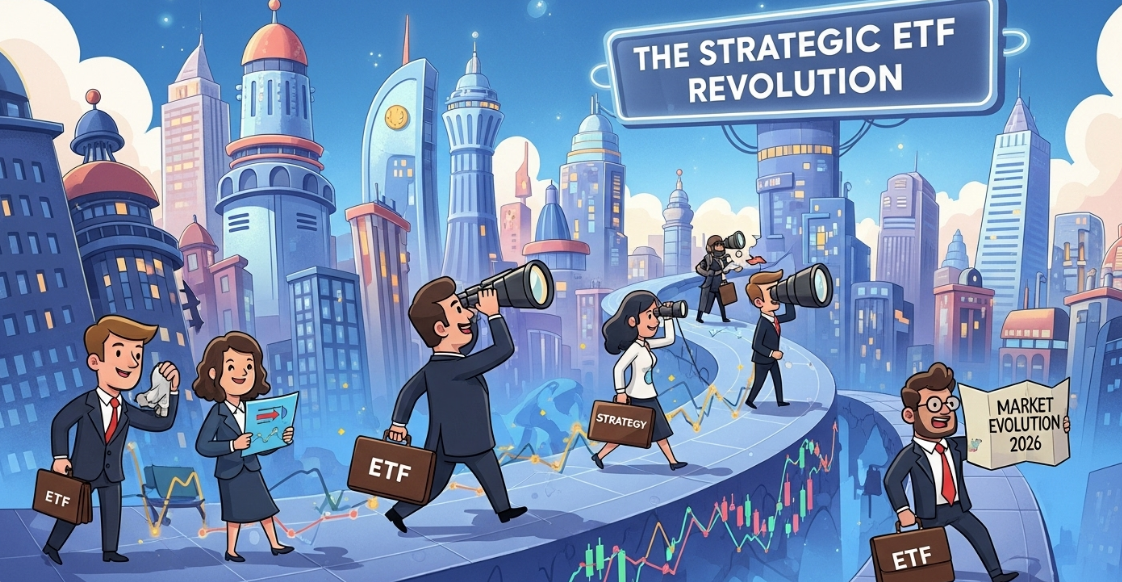
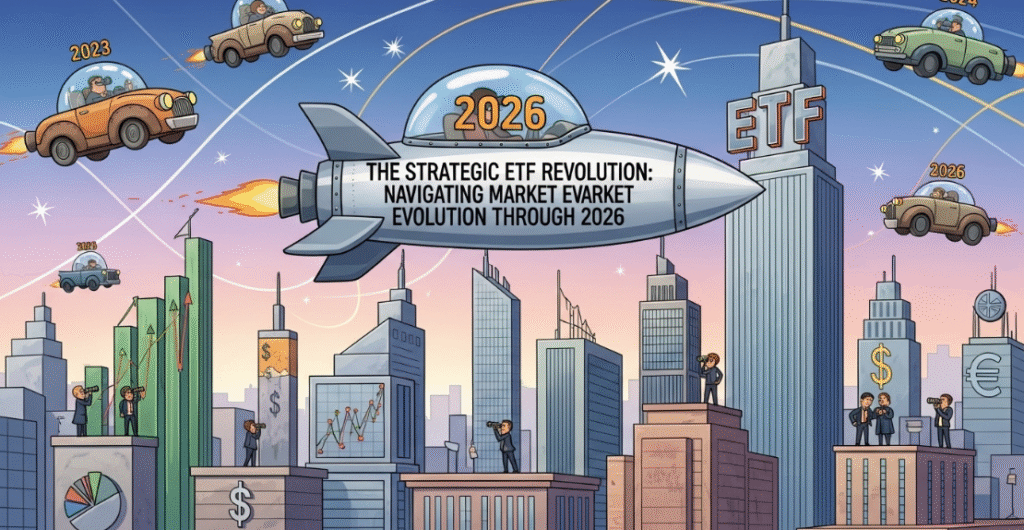
  • The Strategic ETF Revolution: Navigating Market Evolution Through 2026

    The Strategic ETF Revolution: Navigating Market Evolution Through 2026

    The exchange-traded fund universe has undergone a metamorphosis that would make Darwin himself applaud, evolving from simple index tracking vehicles into sophisticated strategic instruments capable of delivering targeted exposure across sectors, themes, and investment strategies. For discerning investors visiting AttractiveStock.com, strategic ETFs represent a compelling opportunity to participate in market growth while maintaining the diversification benefits that keep portfolio managers sleeping soundly at night.

    Industry projections suggest global ETF assets under management could exceed $20 trillion by 2026, representing a paradigm shift in how institutional and retail investors approach portfolio construction. This case study examines the strategic ETF landscape and identifies opportunities that could deliver substantial returns while the broader market continues its digital transformation journey.

    The Foundation of Strategic ETF Excellence

    The ETF revolution has reached a sophistication level that would have seemed like science fiction to investors a decade ago. Active ETF assets under management globally exceeded $1 trillion in September 2024, with predictions suggesting this figure could reach $4 trillion by 2030. This explosive growth reflects not merely a trend, but a fundamental restructuring of investment management toward more flexible, cost-effective solutions.

    Strategic ETFs have distinguished themselves from their passive cousins by incorporating active management principles while maintaining the liquidity and transparency benefits that made ETFs popular in the first place. Think of them as the Swiss Army knives of modern portfolio management—versatile enough to address specific investment objectives while maintaining the simplicity that investors crave.

    The technology sector, in particular, has emerged as a battlefield where strategic ETFs demonstrate their superiority over traditional approaches. The tech-heavy Nasdaq Composite Index surged approximately 85% over the past two years, creating opportunities for strategic ETFs to capture this momentum while managing the inherent volatility that keeps traditional fund managers reaching for antacids.

    Performance Excellence and Market Leadership

    Strategic ETFs focusing on technology and innovation themes have delivered performance that makes traditional mutual fund managers question their career choices. Leading technology ETFs have posted year-to-date returns of 15.6%, significantly outperforming the category average of 10%, demonstrating the value of strategic sector allocation over broad market exposure.

    This outperformance stems from strategic ETFs’ ability to adapt to changing market conditions while maintaining exposure to secular growth trends. Unlike traditional index funds that mechanically follow predetermined weightings, strategic ETFs can adjust allocations based on fundamental analysis, technical indicators, or thematic considerations.

    The diversification within strategic technology ETFs provides additional comfort for risk-conscious investors. Rather than betting the farm on individual technology darlings that might stumble over their own algorithms, strategic ETFs spread exposure across multiple companies and subsectors, creating a safety net that individual stock picking cannot provide.

    The 2026 Investment Landscape

    Looking toward 2026, strategic ETFs are positioned to capitalize on several convergent trends that suggest continued outperformance potential. The artificial intelligence revolution, while generating considerable hype, represents a genuine paradigm shift comparable to the internet’s emergence in the 1990s. Strategic ETFs focusing on AI and automation themes provide exposure to this transformation without requiring investors to become technology experts.

    The SPDR family covers 11 GICS sectors and 22 industries, including active sector rotation ETFs and thematic sectors, providing investors with tools to implement sophisticated allocation strategies previously available only to institutional investors. This democratization of advanced investment strategies represents a significant value proposition for individual investors seeking professional-grade portfolio construction.

    The regulatory environment continues evolving favorably for ETF innovation. Regulatory barriers to active ETFs are falling rapidly, with active ETFs now accounting for the majority of ETF launches in the US, Canada, and Australia. This regulatory tailwind suggests continued product innovation and competitive fee pressure, benefiting end investors.

    Strategic Sector Rotation and Thematic Opportunities

    Strategic ETFs excel in capturing sector rotation opportunities that individual investors often miss due to timing challenges or insufficient market expertise. The ability to pivot between sectors based on economic cycles, interest rate environments, or technological disruptions provides strategic ETFs with dynamic allocation capabilities that static portfolios cannot match.

    Energy transition themes present compelling opportunities for strategic ETFs through 2026. As governments worldwide commit to carbon neutrality goals and renewable energy adoption accelerates, strategic ETFs focused on clean energy, battery technology, and sustainable infrastructure are positioned to benefit from multi-decade investment cycles.

    Healthcare innovation represents another fertile ground for strategic ETF opportunities. Biotechnology advances, aging demographics, and digital health transformation create investment themes that transcend traditional sector boundaries. Strategic ETFs can capture these opportunities across pharmaceutical companies, medical device manufacturers, and digital health platforms simultaneously.

    Risk Management and Diversification Benefits

    Strategic ETFs address one of individual investors’ greatest challenges: achieving adequate diversification without diluting return potential. Traditional broad market index funds provide diversification but often include significant exposure to mature, slow-growth sectors. Strategic ETFs allow investors to maintain diversification within growth-oriented sectors while avoiding exposure to declining industries.

    The active management component of strategic ETFs provides downside protection that passive approaches cannot deliver. During market stress periods, strategic ETF managers can reduce exposure to vulnerable positions, raise cash levels, or implement hedging strategies that protect capital while maintaining upside participation.

    Currency hedging capabilities within international strategic ETFs provide additional risk management benefits for US investors seeking global exposure without currency volatility. This feature becomes particularly valuable as global monetary policy cycles diverge and exchange rate fluctuations intensify.

    Technology Integration and Innovation Themes

    The convergence of multiple technology trends creates investment opportunities that strategic ETFs can capture more effectively than traditional approaches. Cloud computing, cybersecurity, e-commerce, and digital payments represent distinct but interconnected themes that benefit from strategic allocation rather than individual stock selection.

    Strategic ETFs focusing on disruptive innovation can participate in the ongoing digital transformation of traditional industries. Whether through fintech disruption of banking, telemedicine transformation of healthcare delivery, or autonomous vehicle revolution in transportation, strategic ETFs provide exposure to these trends without requiring investors to predict individual winners.

    The semiconductor industry exemplifies how strategic ETFs can navigate complex, cyclical sectors. Rather than attempting to time semiconductor cycles or select among hundreds of component manufacturers, strategic ETFs can maintain exposure to this critical enabler of digital transformation while managing the inherent volatility through professional portfolio management.

    The Path to 2026: Projection Analysis

    Conservative projections for leading strategic ETFs through 2026 suggest annual returns in the 12-18% range, assuming continued economic growth and technology adoption trends. These projections reflect the combination of secular growth trends, professional management capabilities, and diversification benefits that strategic ETFs provide.

    More optimistic scenarios, particularly for technology-focused strategic ETFs, suggest potential returns approaching 20-25% annually through 2026. These projections assume continued artificial intelligence adoption, successful energy transition investments, and sustained productivity improvements from digital transformation initiatives.

    Even pessimistic scenarios suggest strategic ETFs should outperform traditional broad market indices through 2026, given their ability to avoid declining sectors and concentrate exposure in growth areas. This asymmetric risk-reward profile makes strategic ETFs attractive for investors seeking growth without accepting single-stock concentration risk.

    Implementation Considerations and Portfolio Construction

    Strategic ETFs work best when integrated into comprehensive portfolio strategies rather than used as isolated investments. A core-satellite approach, where broad market exposure provides stability while strategic ETFs provide growth enhancement, often delivers optimal risk-adjusted returns.

    Cost considerations remain important despite strategic ETFs’ active management benefits. Expense ratios for quality strategic ETFs typically range from 0.3% to 0.8%, representing reasonable costs for professional management and diversification benefits. These costs should be evaluated against the potential for enhanced returns and reduced volatility.

    Tax efficiency represents another strategic ETF advantage over traditional mutual funds. The ETF structure’s inherent tax advantages, combined with strategic managers’ ability to harvest losses and manage distributions, can enhance after-tax returns significantly for taxable account investors.

    Conclusion: Strategic ETFs as Portfolio Cornerstones

    For investors aligned with AttractiveStock.com’s philosophy of identifying quality opportunities with attractive risk-adjusted return potential, strategic ETFs represent a compelling evolution in investment management. The combination of professional management, diversification benefits, liquidity, and transparency creates investment vehicles superior to both traditional mutual funds and individual stock selection for most investors.

    The journey through 2026 presents unique opportunities for strategic ETFs to demonstrate their value proposition. Whether through technology sector leadership, thematic investing in secular trends, or dynamic sector rotation, strategic ETFs provide tools for participating in market evolution while managing downside risks.

    The projected growth in ETF assets under management reflects not merely industry marketing success, but genuine investor recognition of strategic ETFs’ superior value proposition. As markets become increasingly complex and interconnected, the professional management and diversification benefits that strategic ETFs provide become more valuable, not less.

    For investors seeking exposure to growth themes without accepting individual stock concentration risks, strategic ETFs offer an elegant solution that combines institutional-quality management with retail accessibility. The path to 2026 appears bright for investors willing to embrace this evolution in portfolio construction, particularly for those who appreciate professional management without the traditional constraints and costs of mutual fund investing.

    This analysis is prepared for AttractiveStock.com and reflects publicly available information as of September 2025. Investment decisions should always incorporate individual risk tolerance, investment objectives, and comprehensive portfolio diversification considerations.

  • The Wall Street Colossus: JPMorgan Chase’s Path to $350 by 2026

    The Wall Street Colossus: JPMorgan Chase’s Path to $350 by 2026

    Executive Summary and Value Proposition

    NYSE/JPM

    In the grand theater of American banking, JPMorgan Chase stands as the undisputed heavyweight champion, flexing financial muscles that would make even the most seasoned investors pause for applause. For visitors to AttractiveStock.com seeking investment opportunities that combine stability with growth potential, JPMorgan Chase presents a compelling narrative backed by record-breaking performance and ambitious analyst projections targeting $350 per share by 2026.

    This case study examines why Wall Street’s darling continues to attract premium valuations and whether the journey from current levels to the projected $350 target represents genuine opportunity or merely wishful thinking dressed in pinstripes.

    The Foundation of Excellence

    JPMorgan Chase recently delivered what can only be described as a masterclass in banking excellence, reporting a staggering $58 billion in full-year profits for 2024—a record not just for JPMorgan, but for the entire American banking industry. To put this achievement in perspective, the bank essentially printed money at a rate that would make central bankers envious, with fourth-quarter profits surging 50% year-over-year to $14 billion.

    The driving forces behind this exceptional performance reveal a diversified powerhouse firing on all cylinders. Investment banking revenue soared 49% as dealmaking emerged from its two-year hibernation, while trading revenue climbed 21%, demonstrating the bank’s ability to capitalize on market volatility that sends competitors scrambling for cover.

    The Analyst Consensus: Bullish but Measured

    The financial community has spoken with remarkable consistency regarding JPMorgan Chase’s prospects. Current analyst projections paint a picture of measured optimism, with consensus price targets clustering around the $308-$312 range for the near term. However, longer-term forecasts venture into more adventurous territory, with several forecasting models projecting the stock could reach $350 by the end of 2026.

    This target represents approximately a 20-25% upside from current trading levels, a projection that reflects not merely hope, but a calculated assessment of the bank’s expanding market dominance and operational efficiency improvements. The consensus “Buy” rating from 13 analysts covering the stock, with targets ranging from $275 to $340, suggests professional investors view current valuations as attractive entry points rather than peak pricing.

    Strategic Positioning for Long-term Growth

    What separates JPMorgan Chase from its competitors extends beyond mere size, though being America’s largest bank by assets certainly doesn’t hurt. The institution has methodically positioned itself as the Swiss Army knife of financial services, maintaining leadership positions across consumer banking, investment banking, asset management, and commercial lending.

    The bank’s technology investments have transformed what was once a traditional brick-and-mortar operation into a fintech-enabled juggernaut. While other financial institutions struggle with digital transformation, JPMorgan Chase has embraced innovation without sacrificing the institutional knowledge and client relationships that took centuries to build.

    Furthermore, the bank’s global footprint spanning over 100 markets provides natural hedging against regional economic fluctuations while creating multiple avenues for revenue growth. When domestic lending slows, international operations can compensate; when investment banking faces headwinds, consumer banking provides stability.

    Risk Considerations and Market Dynamics

    No investment thesis remains complete without acknowledging potential storm clouds on the horizon. Regulatory changes continue to loom over the banking sector like an overprotective parent, with policymakers perpetually seeking new ways to constrain financial institutions deemed “too big to fail.”

    Interest rate environments present both opportunities and challenges. While rising rates initially boost net interest margins, prolonged high-rate environments can dampen loan demand and increase credit risk. The Federal Reserve’s monetary policy decisions will significantly influence JPMorgan Chase’s profitability trajectory over the next two years.

    Economic recession remains the perennial boogeyman for banking stocks. Should the economy stumble, loan defaults could spike, investment banking activity might wane, and even the mighty JPMorgan Chase would face earnings pressure. However, the bank’s fortress-like balance sheet and diversified revenue streams provide considerable protection against economic turbulence.

    The 2026 Investment Thesis

    The path to $350 per share by 2026 requires JPMorgan Chase to maintain its current momentum while navigating an increasingly complex financial landscape. Several factors support this optimistic projection.

    First, the bank’s market share gains across key business segments show no signs of deceleration. As smaller competitors struggle with regulatory compliance costs and technology investments, JPMorgan Chase continues consolidating market position.

    Second, the bank’s efficiency ratio improvements suggest management has identified sustainable cost reduction opportunities without compromising service quality or growth investments. These operational improvements should translate directly to bottom-line growth.

    Third, the gradual normalization of interest rates from historically low levels provides a multi-year tailwind for net interest income, JPMorgan Chase’s largest revenue component. Even modest rate increases can generate billions in additional annual revenue for an institution of this scale.

    Conclusion: Attractive Stock for Patient Investors

    For investors aligned with AttractiveStock.com’s philosophy of identifying quality opportunities with reasonable return expectations, JPMorgan Chase represents a compelling investment narrative. The combination of record-setting financial performance, diversified business model, and favorable analyst projections creates a foundation for sustained outperformance.

    The projected journey to $350 by 2026 may not offer the explosive growth potential of emerging technology stocks, but it provides something arguably more valuable: predictable, sustainable wealth creation backed by one of America’s most successful financial institutions. In an investment landscape increasingly dominated by speculation and volatility, JPMorgan Chase offers the rare combination of growth potential and defensive characteristics.

    While past performance never guarantees future results—a disclaimer bankers love almost as much as compound interest—JPMorgan Chase has demonstrated remarkable consistency in adapting to changing market conditions while maintaining profitability leadership. For investors seeking exposure to the financial sector through its most accomplished representative, the path to $350 appears not just achievable, but probable.

    This analysis is prepared for AttractiveStock.com and reflects publicly available information as of September 2025. Investment decisions should always incorporate individual risk tolerance and portfolio diversification considerations.

  • BlackRock Inc (BLK): The Money Manager That Manages Everyone’s Money (Including the AI Revolution)

    BlackRock Inc (BLK): The Money Manager That Manages Everyone’s Money (Including the AI Revolution)

    Stock Symbol: BLK | Current Price: ~$900 (September 2025) | Target Price: $1,150+ | Timeframe: 12-18 months

    Not Financial Advise

    BlackRock has quietly evolved from “that big asset management company” to “the company that literally owns everything and is now teaching AI to invest better than humans.” With assets under management reaching a staggering $12.5 trillion in Q2 2025, BlackRock doesn’t just participate in markets – it practically IS the market. The company’s recent $12 billion acquisition of HPS Investment Partners and AI-driven transformation prove that when you manage more money than most countries’ GDP, you can afford to bet big on the future. It’s like being the world’s largest casino, except instead of gambling, you’re professionally investing everyone else’s retirement funds while using artificial intelligence to make sure the house always wins (responsibly, of course).

    The $12.5 Trillion Empire: Size Matters in Asset Management

    BlackRock reported a record $12.5 trillion in assets under management and achieved 6% organic base fee growth, marking the fourth consecutive quarter of at least 5% growth, proving that when people have money to invest, they apparently prefer giving it to the company that already manages everyone else’s money. It’s the financial equivalent of everyone wanting to sit at the popular kid’s lunch table, except the popular kid is a multinational corporation with AI Labs.

    The company recorded $68 billion in net inflows, with $116 billion excluding low-fee institutional index redemptions, which in normal terms means people keep giving BlackRock more money to manage even faster than other people are taking money away. The mathematics of compound growth suggest that BlackRock might eventually manage all the money in the world, which would certainly simplify portfolio allocation decisions.

    Assets under management grew $2.4 trillion or 26% over the last 12 months, with clients entrusting BlackRock with $456 billion of net assets, including a record $221 billion in the third quarter alone. When your quarterly fundraising exceeds the GDP of most nations, you’ve achieved what economists call “really, really big” status in technical terms.

    AI Labs: Teaching Robots to Beat Warren Buffett

    BlackRock AI Labs represents the heart of AI innovation at BlackRock, because apparently the company decided that managing $12.5 trillion manually was becoming inefficient. The integration of artificial intelligence and generative AI across portfolio management, client service, risk management, and operational infrastructure transforms BlackRock from traditional asset manager into AI-powered investment platform.

    The company’s 2025 Thematic Outlook estimates up to $15.4 trillion for the total annual value of AI and analytics across industries, which conveniently happens to be slightly more than BlackRock’s current assets under management. This suggests either remarkable foresight or the confidence that comes from having enough money to buy entire industries if the AI predictions prove accurate.

    AI-driven investment strategies create competitive advantages that scale with assets under management, because when your AI algorithms can analyze more data than human competitors can even access, you’re not just using better technology – you’re playing a different game entirely. It’s like bringing calculators to an abacus competition, except the calculators are supercomputers and the abacus users are traditional fund managers.

    Strategic Acquisitions: Buying the Future

    BlackRock’s recent acquisition of HPS Investment Partners for $12 billion demonstrates the company’s commitment to expanding beyond traditional asset management into private credit and alternative investments. The deal further solidifies BlackRock’s position in private markets, which represent key growth areas as institutional investors seek yield and diversification beyond public markets.

    The $12.5 billion acquisition of Global Infrastructure Partners (GIP), finalized in October 2024, instantly made BlackRock a world-leading infrastructure private markets manager, providing not only deep investment expertise but also direct operational control and proprietary data from infrastructure assets worldwide. It’s like buying the companies that build and operate the roads, bridges, and utilities that support the economy, then using that insider knowledge to make better investment decisions.

    These strategic acquisitions create synergies across BlackRock’s platform while providing access to asset classes that generate higher fees and stronger client relationships. When you can offer everything from index funds to private infrastructure investments, client retention becomes significantly easier because switching costs approach the complexity of changing religions.

    The ETF Empire: Making Indexing Sexy

    BlackRock’s iShares division continues dominating the ETF market, benefiting from the ongoing shift from active management to passive indexing strategies. The company’s thematic ETFs covering AI, geopolitics, and emerging technologies position BlackRock to capture investment flows as these trends reshape global markets.

    The beauty of ETF dominance is that BlackRock profits regardless of market direction, earning management fees whether investors are buying growth stocks, defensive positions, or hedging strategies. It’s like owning the casino, the hotel, and the restaurant in Las Vegas – you win whether people are gambling, sleeping, or eating.

    ETF innovation allows BlackRock to package investment themes into tradeable securities, essentially turning complex investment strategies into consumer products that retail investors can buy through their brokerage accounts. The democratization of sophisticated investment strategies creates massive addressable markets while maintaining premium pricing for expertise.

    Technology Integration: The Aladdin Advantage

    BlackRock’s Aladdin risk management platform processes over $30 trillion in assets globally, serving not only BlackRock’s own funds but also external institutional clients who license the technology. The platform combines risk analytics, portfolio management, and trading execution into comprehensive investment infrastructure that competitors struggle to replicate.

    The integration of AI capabilities into Aladdin creates network effects where improved performance attracts more clients, generating more data that enhances AI algorithms, which improves performance and attracts additional clients. It’s the rare business model where success literally makes future success more likely, which economists call a “virtuous cycle” and investors call “beautiful.”

    Aladdin’s external licensing revenue provides diversification from traditional asset management fees while establishing BlackRock as essential infrastructure for institutional investment management. When your competitors pay you to use your technology platform, you’ve achieved what strategists call “winning the game while collecting rent from other players.”

    Investment Outlook: Following the Smart Money

    The investment case for BlackRock combines defensive characteristics with growth opportunities as the company benefits from multiple secular trends simultaneously. Rising asset values increase management fees, net inflows drive organic growth, acquisitions expand addressable markets, and AI integration improves operational efficiency.

    Key risks include market corrections that reduce assets under management, competitive pressure from low-cost providers, regulatory scrutiny of market concentration, and execution challenges from rapid technological change. However, BlackRock’s diversification across asset classes, geographic markets, and client segments provides resilience against individual risk factors.

    The company’s financial strength and strategic positioning create multiple pathways to continued growth as global wealth accumulation drives demand for investment management services. BlackRock’s comprehensive platform approach ensures the company captures value regardless of which specific investment strategies become popular.

    Price Target: Betting on the House

    Based on BlackRock’s market dominance, successful AI integration, strategic acquisition execution, and expanding alternative investment capabilities, the company presents a compelling investment opportunity with a 12-18 month price target of $1,150+ per share. This reflects both multiple expansion as markets recognize the AI transformation and fundamental growth from continued asset gathering and fee expansion.

    Key catalysts include continued net inflow growth, successful integration of recent acquisitions, AI-driven performance improvements, expansion in private markets, and potential dividend increases supported by strong cash generation. BlackRock has successfully evolved from traditional asset manager to comprehensive financial technology platform, creating sustainable competitive advantages in an increasingly AI-driven investment landscape.

    For investors seeking exposure to the professional money management industry through the company that essentially IS the industry, BlackRock represents the ultimate “own the casino” investment strategy. They’ve transformed from managing money to managing the systems that manage money, which is the kind of meta-business model that tends to compound wealth very efficiently over time.


    Disclaimer: This analysis contains references to owning casinos and should not be considered personalized investment advice. Past performance does not guarantee future results, though BlackRock’s track record suggests they’re remarkably good at this whole “managing other people’s money” business. Consult with a qualified financial advisor who hopefully understands both artificial intelligence and the concept of assets under management.

    Last Updated: September 2025
    Next Review: December 2025

  • Anthropic IPO Case Study: The AI Company That Actually Claims “I am an Honest ai”

    Anthropic IPO Case Study: The AI Company That Actually Claims “I am an Honest ai”

    Company: Anthropic
    Ticker Symbol: TBD (Maybe CLDE? NICE? HLPFL?)
    Sector: Artificial Intelligence / “Making Robots That Won’t Lie to Your Face”

    The Pitch

    While other AI companies are busy promising to replace your job, your therapist, and your grandmother, Anthropic has taken the radical approach of building AI that admits when it’s confused. In a world where ChatGPT will confidently tell you that Napoleon invented the hamburger, Claude politely says “I’m not sure about that” and suggests you double-check.

    This refreshing honesty could be either their greatest strength or their biggest weakness in a market that loves overconfident AI pronouncements.

    Why 2026 Could Be Their Year

    The AI hype bubble is showing signs of fatigue. Investors are starting to ask uncomfortable questions like “Does this actually work?” and “Why did our AI chatbot just try to sell insurance to our refrigerator?” Anthropic’s focus on safety and reliability might suddenly look less boring and more profitable.

    Plus, they’ve got that sweet, sweet enterprise money rolling in from companies that are tired of explaining to their legal departments why their AI keeps making up facts about contract law.

    The Bull Case

    Constitutional AI sounds way cooler than it actually is, but it works. While competitors are playing AI roulette, Anthropic is building the Volvo of artificial intelligence. Not the flashiest, but you probably won’t die using it.

    Their partnership deals suggest they’re the AI company that big corporations trust with their actual important stuff, not just generating marketing copy about synergy and disruption.

    The Bear Case

    Being the “responsible AI company” is like being the designated driver at a party where everyone else is doing shots and having way more fun. Sure, you’ll get home safely, but will anyone want to hang out with you?

    The market might decide that boring, reliable AI is for losers, and continue throwing money at whoever promises to achieve artificial general intelligence by next Tuesday.

    The Verdict

    If 2026 is the year the AI market grows up and starts caring about things like “accuracy” and “not hallucinating legal advice,” Anthropic could be sitting pretty. If it’s another year of AI hysteria and moon-shot promises, they might be the smart kid who peaked too early.

    Either way, they’ll probably handle the whole thing with more grace than most Silicon Valley companies, which is refreshing in its own right.

    Disclaimer: This is not financial advice. We just think it’s funny that there’s an AI company that actually admits uncertainty exists.